

IM1G16D2DDBG-25I

Intelligent Memory
822-IM1G16D2DDBG-25I
IM1G16D2DDBG-25I

Ürt.:

Açıklama:
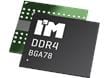
DRAM DDR2 1Gb, 1.8V, 64Mx16, 400MHz (800Mbps), -40C to +95C, FBGA-84

ECAD Modeli:
Bu dosyayı ECAD Aracınız için dönüştürmek için ücretsiz Library Loader dosyasını indirin. ECAD Model hakkında daha fazla bilgi edinin.
Mouser şu anda bu ürünü bölgenizde satmamaktadır.

Stok Durumu

Stok:

Ürün Niteliği Öznitelik Değeri Özellik Seçin
Intelligent Memory
Ürün Kategorisi: DRAM
Teslimat Kısıtlaması:
 Mouser şu anda bu ürünü bölgenizde satmamaktadır.
RoHS:  
SDRAM - DDR2
1 Gbit
16 bit
400 MHz
FBGA-84
64 M x 16
400 ps
1.7 V
1.9 V
- 40 C
+ 95 C
IM1G16D2
Tray
Marka: Intelligent Memory
Montaj Ülkesi: Not Available
Dağıtım Ülkesi: Not Available
Menşe Ülke: TW
Neme Duyarlı: Yes
Montaj Stili: SMD/SMT
Ürün Tipi: DRAM
Fabrika Paket Miktarı: 209
Alt kategori:: Memory & Data Storage
Besleme Akımı - Maks: 75 mA
Birim Ağırlık: 192 mg
Bulunan ürünler:
Benzer ürünleri göstermek için en az bir onay kutusu seçin
Bu kategorideki benzer ürünleri göstermek için yukarıda en az bir onay kutusu seçin.
Seçilen özellikler: 0

CAHTS:
8542320020
USHTS:
8542320032
MXHTS:
8542320299
ECCN:
EAR99

Dynamic Random Access Memory (DRAM)

Intelligent Memory Dynamic Random Access Memory (DRAM) includes a full range of JEDEC-compliant DRAMs and ECC DRAMs (SDRAM, DDR, DDR2, DDR3, DDR4, LPDDR4). From an application's point of view, these components work like a monolithic device. The DRAM devices allow for maximum levels of memory density without altering existing board layouts or designs.

Double Data Rate 2 (DDR2) SDRAM

Intelligent Memory Double Data Rate (DDR2) Synchronous DRAM (SDRAM) are eight-bank devices that achieve high-speed data transfer rates. Interleaving the eight memory banks allows random access operations faster than standard DRAMs. A chip architecture prefetches multiple bits and then synchronizes the output data to a system clock. All control, address, and circuits are synchronized with the positive edge of an externally supplied clock. In a source-synchronous manner, I/Os are synchronized with a pair of bidirectional strobes. A sequential, gapless data rate is possible depending on the device's burst length, CAS latency, and speed grade.